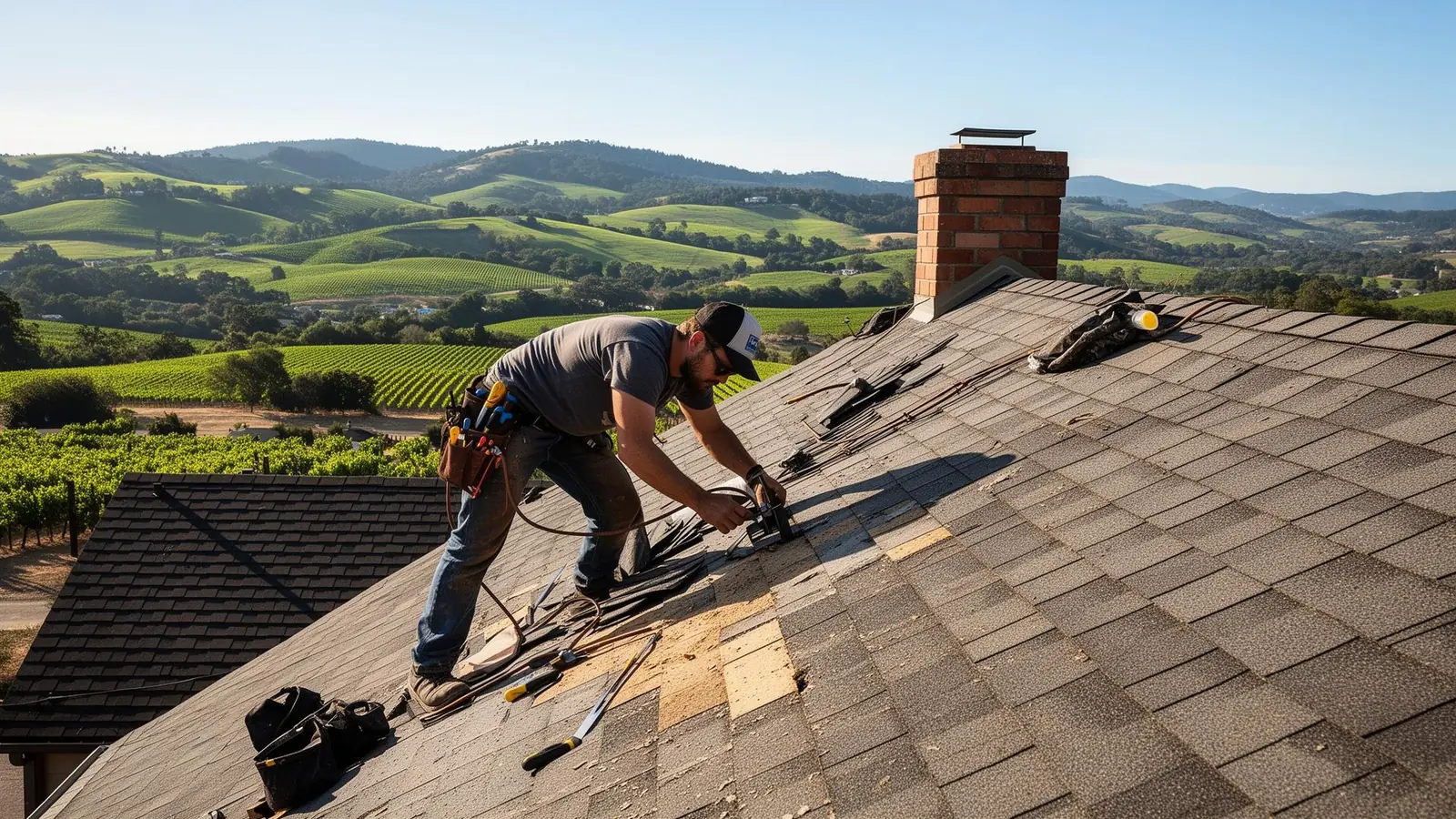
Commercial roof selection is an asset-management decision: lifecycle cost, occupancy disruption during replacement, insurance impact, and energy performance all matter as much as the install price.
For low-slope and flat commercial buildings in Sonoma County, three systems handle 90% of the market: thermoplastic polyolefin (TPO), ethylene propylene diene monomer (EPDM), and standing-seam metal. Here's how they actually compare.
| Factor | TPO | EPDM | Standing-Seam Metal |
|---|---|---|---|
| Installed cost ($/sqft) | $7–$13 | $6–$11 | $12–$22 |
| Realistic lifespan | 20–25 yrs | 25–30 yrs | 40–60 yrs |
| Color options | White, gray, tan | Black (white available, premium) | 30+ standard colors |
| SRI (cool-roof rating) | High (white) | Low (black) / High (white) | Variable by finish |
| Repair complexity | Hot-air weld, moderate | Adhesive seams, easier | Panel-by-panel, specialized |
| Ideal slope | 1/4:12 and up | 1/4:12 and up | 3:12 and up |
| Foot traffic tolerance | Good | Excellent | Limited (walk pads required) |
TPO — The Default Spec for New Commercial
Single-ply thermoplastic membrane, mechanically fastened or fully adhered. White TPO has been the dominant new-construction commercial spec for the past decade thanks to its high SRI value (typically 0.78+), Title 24 cool-roof compliance, and competitive cost.
Where TPO falls short: seam quality is everything. A bad hot-air weld is invisible from the ground and will leak in 3–5 years. Manufacturer-certified installation crews matter more here than on almost any other roofing system.
Best fit: new construction, retail strip centers, light industrial, anything cooled with rooftop HVAC where the energy savings from a cool roof pay back over 5–7 years.
EPDM — The Workhorse
Synthetic rubber membrane, available in 45-, 60-, and 90-mil thicknesses. EPDM has been around since the 1960s and has the best long-term real-world track record of any single-ply membrane. Black EPDM in particular consistently outlasts spec.
The trade-off is energy performance. Black EPDM absorbs heat and is no longer compliant with Title 24 cool-roof requirements in many California climate zones. White EPDM exists but the cost premium often pushes the decision back toward white TPO.
Best fit: re-roofing existing low-slope buildings where seam adhesion is reliable and cool-roof compliance isn't required. Common on older Sonoma County warehouses and flat-roofed mid-century commercial.
Standing-Seam Metal — The Long-Term Play
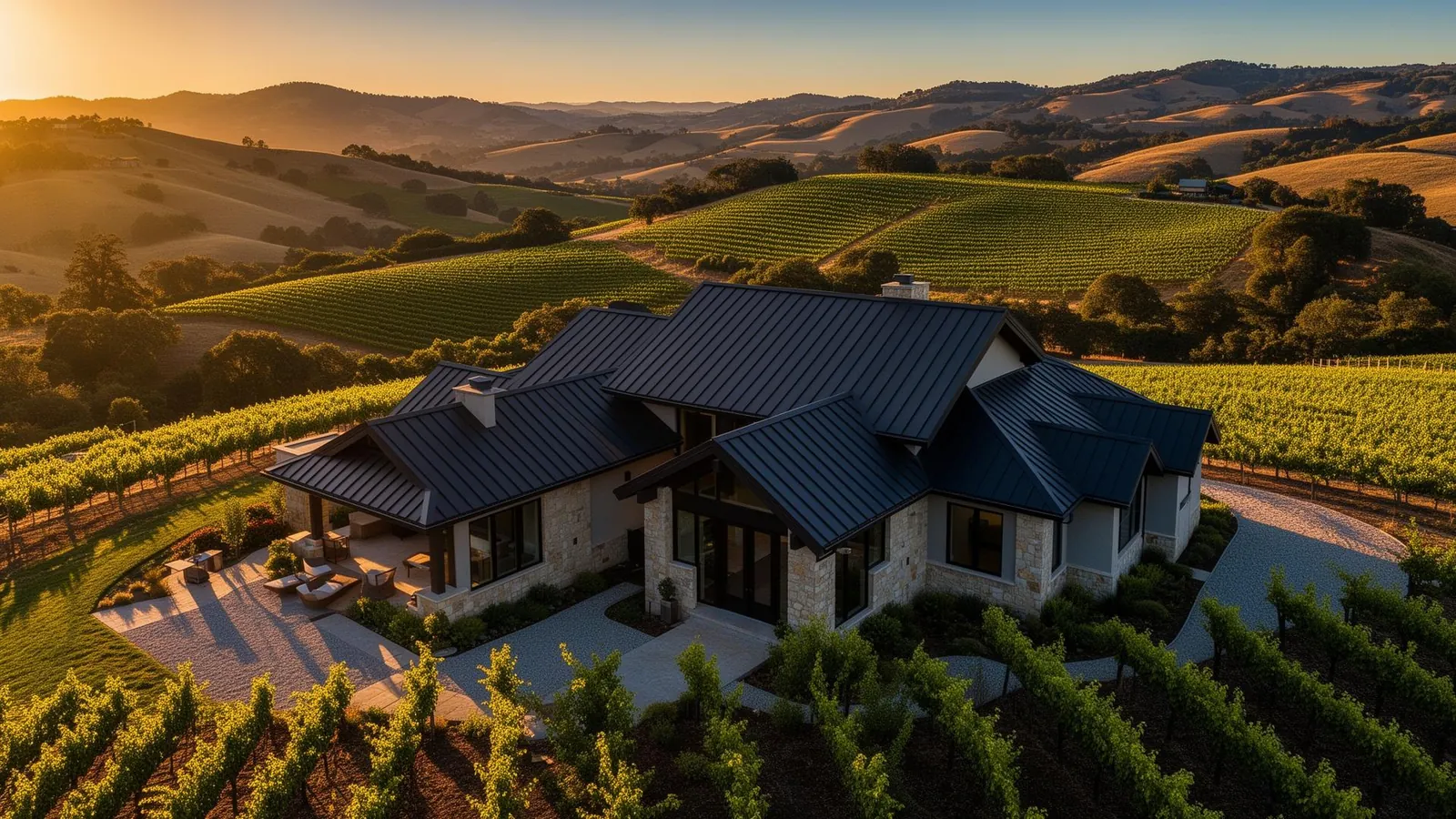
For commercial buildings with 3:12 slope or steeper, standing-seam metal is the longest-life and lowest-maintenance option. 24-gauge steel panels with concealed clip fasteners and snap-lock or mechanically seamed seams routinely run 50+ years on commercial in our climate.
Lifecycle cost analysis usually favors metal for any building expected to be held more than 20 years — agricultural, government, owner-occupied light industrial, religious. The 2× upfront cost is offset by avoiding one full membrane replacement cycle.
Best fit: ag buildings, owner-occupied facilities, fire-zone commercial, anything with an architectural visibility requirement.
Insurance and Code Considerations
California Title 24, Part 6 sets cool-roof requirements that vary by climate zone. Sonoma County spans climate zones 2 and 3; both require either a high-SRI roof surface or compensating energy measures on most low-slope commercial re-roofs.
FM Global insurance approval matters for buildings carrying FM coverage — wind uplift ratings (FM 1-90 or higher in coastal areas), hail ratings, and fire ratings affect premiums. We coordinate with FM-approved assemblies whenever the client carries that coverage.
Replacement vs. Restoration
If your existing membrane has 5+ years of life left but is starting to show wear, a fluid-applied roof coating system (silicone or acrylic) can extend life another 10–15 years at roughly 30–40% the cost of full replacement. We assess restoration potential during every commercial inspection.
Coatings preserve the existing assembly, often qualify for the same Title 24 cool-roof credit as a new white membrane, and don't require occupant disruption — work happens during business hours with no tear-off mess.
What We Need to Quote Your Commercial Roof
- Square footage and roof plan (we can measure if you don't have one).
- Existing membrane type and approximate install date.
- Number of penetrations (HVAC units, vents, drains).
- Insurance carrier and any wind/hail rating requirements.
- Operational constraints — production schedules, weekend windows, after-hours access.
Free commercial roof assessment anywhere in Sonoma County, no obligation. Call 707-503-5507 or use the contact form to request a site visit.
Frequently Asked Questions
Can you re-roof while we stay in operation?
Yes, on most commercial projects. We stage work over occupied space carefully, handle interior dust control, and schedule the noisiest phases (tear-off, mechanical fastening) for off-hours when feasible. We've completed re-roofs over occupied retail, restaurants, and medical offices.
What's the warranty on commercial roofing?
Manufacturer NDL (no-dollar-limit) warranties run 15–30 years for single-ply, 30+ for metal, when installed by a certified contractor. Workmanship warranty is separate, typically 2–10 years depending on system.
Do you work with property managers and REITs?
Regularly. We handle multi-property portfolios, provide annual maintenance programs, and coordinate with regional and national property managers. References available on request.
Get a Free Roof Estimate
Talk directly to Eddy. Call 707-503-5507 or request a written estimate online — no pressure, no salespeople, just an honest assessment of your roof.